Best Roofing Options: Making Certain Your Home Remains Safe and Safe
When examining roofing solutions, homeowners face a variety of choices. Each material delivers distinct advantages and disadvantages, influencing both safety and aesthetics. From the affordability of asphalt shingles to the elegance of clay tiles, the decision often copyrights on personal preference and local climate. Understanding these options is critical, as well as detecting the signs that indicate a need for repair or replacement. What factors should one evaluate in making this essential choice?
Summary of Common Roofing Choices: Benefits and Drawbacks
When selecting roofing materials, homeowners often evaluate the benefits and drawbacks of various options. Asphalt shingles are among the most popular due to their cost-effectiveness and simple installation process, but they have a reduced durability compared to other materials. Clay tiles offer durability and aesthetic appeal, though their weight and higher cost can be challenging for some structures. Metal roofing is commended for its longevity and resistance to harsh weather, yet it may present noise and expansion issues. Wood shingles provide rustic charm and thermal protection but demand regular maintenance to prevent rot and insect damage. Slate is known for its sophistication and exceptional longevity but comes with a substantial cost and necessitates professional installation. Finally, synthetic options, like rubber or plastic, replicate traditional materials while often being less heavy and more cost-effective; however, their durability over time can vary. Each material presents unique advantages and disadvantages that homeowners must carefully evaluate.
The Surging Preference of Metal Roofing
Metal roofing has demonstrated a substantial surge in popularity among homeowners, propelled by its impressive durability and energy efficiency. Unlike traditional roofing materials, metal roofs can endure extreme weather conditions, including heavy rain, snow, and high winds. This strength not only maintains the longevity of the roof but also minimizes the need for frequent repairs.
Moreover, metal roofing deflects solar heat, which can lead to decreased energy bills during hot months. Homeowners are increasingly acknowledging its eco-friendly nature, as many metal roofs are made from recycled content and are fully recyclable at the end of their life cycle.
Metal roofing's visual charm has played a major role to its rise, offering various color and design choices that complement any home style. With increasing interest in green and long-lasting building materials, metal roofing becomes a top choice for contemporary homeowners seeking both practical benefits and visual beauty.
The Main Advantages of Tile and Slate Roof Systems
Tile and slate roofing provides significant benefits that appeal to homeowners seeking durable options. Recognized for their durability and longevity, these products can withstand harsh weather conditions while preserving their integrity. Furthermore, the aesthetic options offered enhance the visual appeal of homes, rendering them a popular choice in various architectural styles.
Resilience And Durability
A primary advantage of tile and slate roofing lies in their exceptional durability and longevity. Both materials are renowned for their ability to resist harsh weather conditions, including heavy rain, snow, and extreme temperatures. Unlike traditional roofing materials, tile and slate are resistant to rot, insects, and fire, which substantially reduces maintenance costs over time. Their lifespan can exceed 50 years, often lasting much longer with proper care, making them a sound investment for homeowners. Additionally, their weight enhances structural stability, providing further protection against environmental stressors. By choosing tile or slate, homeowners can enjoy peace of mind knowing their roofing solution is built to last, ultimately enhancing the overall safety and security of their homes.
Aesthetic Beauty Alternatives
While reviewing roofing alternatives, homeowners often discover that tile and slate roofing not only provides durability but also enhances the aesthetic appeal of their properties. These materials are available in a range of colors and styles, allowing homeowners to choose designs that complement their architectural vision. Tile roofing, with its Mediterranean charm, delivers a warm, inviting look, while slate roofing exudes sophistication and elegance. The natural textures and rich hues of slate add to a timeless appeal, making it a popular choice for upscale homes. Additionally, both materials are protected from fading, guaranteeing that their beauty lasts for decades. Ultimately, tile and slate roofing not only protects a home but also enhances its overall visual impact.
Advantages of Asphalt Shingles Roofing for Homeowners
Many homeowners regard asphalt shingles as an ideal roofing selection due to their economical pricing and durability. This type of roofing material is noted for its affordability, making it obtainable for a broad spectrum of budgets. In addition, asphalt shingles offer a lifespan of 15 to 30 years, depending on the quality and maintenance, providing a solid investment for homeowners.
The selection of colors and styles accessible enables customization to improve a home's aesthetic appeal. Moreover, asphalt tiles are rather uncomplicated to place, which can produce lower labor costs. They also work efficiently in different climatic situations, contributing to their popularity.
Another notable benefit is their protection to deterioration and harm from UV rays, ensuring that roofs preserve their look over time. Overall, asphalt shingles offer a functional and appealing roofing solution for homeowners looking for reliability and value.
Best Roof Choices for Your Weather
Picking the ideal roofing material is necessary, as it must withstand the specific challenges presented by different climates. In cold regions, homeowners should prioritize options that supply insulation and combat snow accumulation, while those in hot climates may profit from materials that reflect heat and strengthen energy efficiency. Understanding these considerations can guide effective roofing choices tailored to environmental conditions.
Extreme Climate Elements
When property owners in cold climates consider roofing options, they must assess material durability and insulation properties to resist harsh weather conditions. The most reliable roofing materials include metal, asphalt shingles, and slate. Metal roofs offer exceptional longevity and resistance to snow accumulation, while asphalt shingles deliver a cost-effective solution with adequate insulation. Slate, though more expensive, delivers remarkable durability and aesthetic appeal. Additionally, proper insulation and ventilation are vital to prevent ice dam formation and moisture buildup, which can lead to structural damage. Homeowners should also evaluate local building codes and climate-specific recommendations to guarantee their roof can endure heavy snowfall and extreme temperatures, ultimately safeguarding their homes against the elements.
High Temperature Measures
As distinguished from the obstacles found in cold climates, homeowners in hot regions need to place first heat resistance and energy efficiency during their roofing material acquisition. Well-regarded options such as reflective metal roofs are well-regarded for their power to deflect sunlight, decreasing the amount of heat captured. Options of concrete and clay tiles offer remarkable thermal performance paired with long-lasting quality and visual charm. In addition, cool roofing systems incorporating specialized coatings capable of reflecting increased sunlight can markedly diminish interior temperatures. Insulation plays a vital part, helping to sustaining an pleasant indoor setting. To summarize, choosing the proper roofing option boosts comfort while also fostering energy economy, serving as an important deliberation for homeowners in hot climates.
Indicators You Ought to Get a Roof Replacement or Repair?
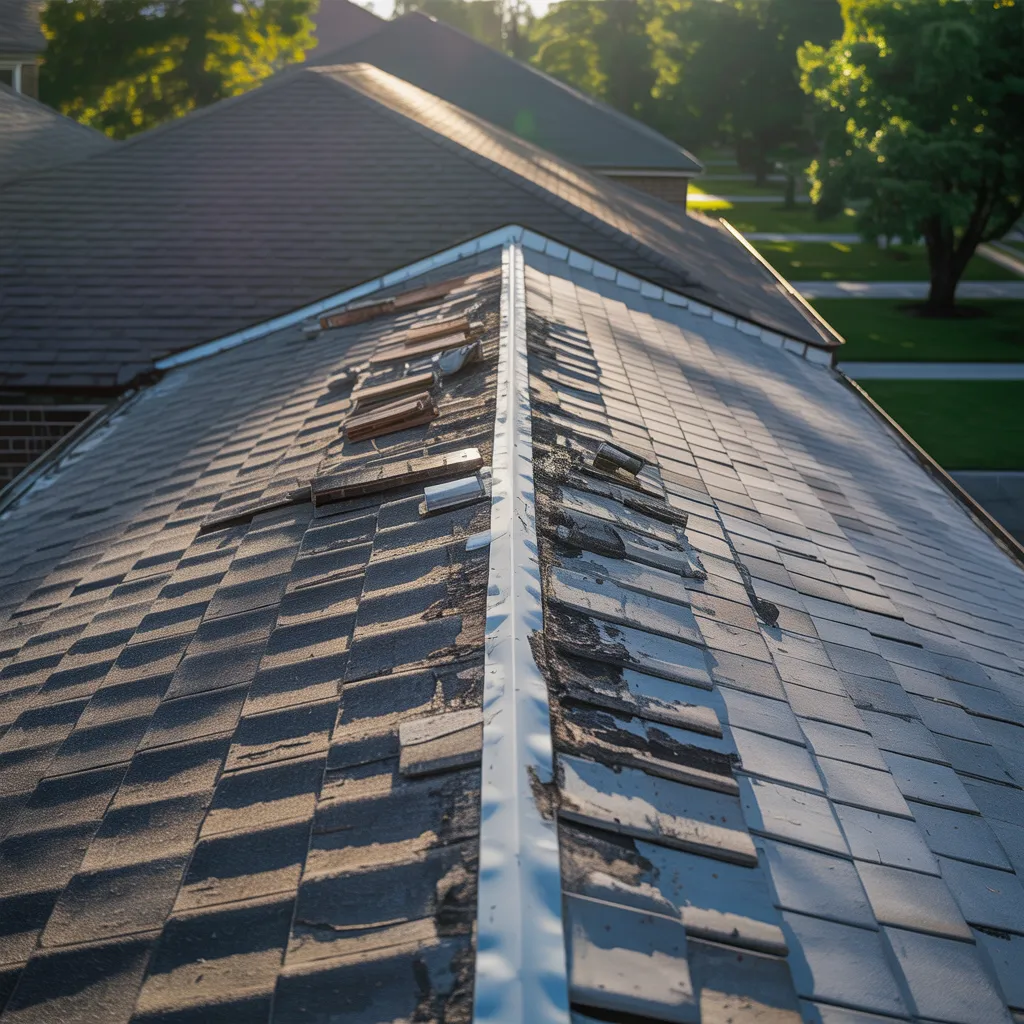
How can occupants evaluate whether their roof demands new installation or restoration? Several notable signs indicate potential issues. First, visible damage such as missing shingles, curled edges, or significant granule deterioration suggests degradation. Occupants should also check for moisture stains or damp patches on ceilings and walls, which can communicate leaks. If light is discernible through gaps in the roof or attic, it indicates structural failure.
Additionally, drooping sections may indicate underlying structural problems, requiring immediate attention. A roof's age is also a critical element; most roofs last between 20 to 25 years. If a roof is approaching this age and displays multiple signs of wear, substitution may be essential. Routine checks after severe weather events can help identify issues early. By recognizing these signs, homeowners can make informed decisions about the condition of their roofs and guarantee their homes stay protected and sound.
Tips for Caring for Your Roof to Extend Its Lifespan
Maintaining a roof for longevity needs regular attention and proactive care. Homeowners should conduct periodic inspections, ideally twice a year, to identify any signs of damage or wear. Such inspections should include checks for missing shingles, cracks, and accumulated debris. Regular gutter cleaning is crucial, as blockages may cause water pooling and lead to leaks.
Additionally, cutting back protruding limbs can prevent damage resulting from falling limbs and minimize moss growth, which can damage roofing materials. Using a protective sealant can also improve longevity against harsh weather conditions.
Furthermore, ensuring proper ventilation in the attic helps control temperature and moisture levels, minimizing the risk of rot and mold. Hiring an expert for periodic maintenance can provide confidence, as experts can spot issues that may go unnoticed. By adopting these strategies, homeowners can greatly extend the lifespan of their roofs, ensuring safety and security for their homes.
Frequently Raised Questions
How Do I Choose the Right Roofing Contractor?
To select the ideal roofing contractor, one should research credentials, read reviews, practical guide evaluate quotes, verify insurance, and ensure clear communication. A comprehensive vetting approach can result in a successful and satisfying roofing project.
What Is the Common Lifespan of Diverse Roofing Materials?
The typical lifespan of roofing materials varies: asphalt shingles last 15-30 years, metal roofs can endure 40-70 years, clay tiles often reach 50-100 years, and slate roofs may last over a century with proper maintenance.
Are Roofing Warranties Valuable for the Investment?
Roofing warranties may be worth the investment as they provide financial protection against defects and premature wear. However, their worth often depends on the quality of materials used and the particulars of the warranty terms included.
How Can I Improve My Roof's Energy Performance?
To improve a roof's energy performance, one can install reflective roofing materials, upgrade insulation, fix leaks, and incorporate ventilation systems. These measures help regulate temperature, reduce energy costs, and promote a more eco-friendly home.
What Are the Charges For a Roof Replacement?
Outlays related to roof replacement typically span from $5,000 to $20,000, dependent upon materials, labor, and the roof's size. Ancillary factors feature geographical location and the complexity of the roofing system.